The Dawn of Modern Chemistry: Wilkes, Lascelles, and the Apparatus of the Chemical Revolution
Share
The Chemical Revolution of the late 18th century — the transformation of alchemy into modern chemistry through the work of Antoine Lavoisier, Joseph Priestley, Carl Wilhelm Scheele, and Louis-Bernard Guyton de Morveau — produced an entirely new material culture of scientific apparatus: distillation equipment, pneumatic troughs, gas bells, eudiometers, gazometers, and furnaces of extraordinary ingenuity.
John Wilkes’s Encyclopaedia Londinensis (1800–1801) documented this apparatus in detailed copper engravings by Henry Lascelles — plates of scientific precision and unexpected visual beauty that captured the material world of the Chemical Revolution at the moment of its greatest achievement.
Plate III: Modern Chemical Apparatus
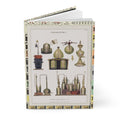
Plate III presents a comprehensive engraving of modern chemical apparatus: distillation equipment, the Woulfe apparatus, gas bells, and furnaces that defined laboratory practice in the new chemistry. The Woulfe apparatus — named after the Irish chemist Peter Woulfe — was one of the most versatile pieces of pneumatic chemistry equipment of the era, used to wash, collect, and transfer gases with a precision that made it indispensable to the new chemistry. Each piece of apparatus is captured with the meticulous detail of a technical drawing and the visual elegance of a scientific illustration.
Plate VIII: Phosphorus, Mercury, and the Measurement of Air
Plate VIII documents three of the most sophisticated pieces of apparatus in the Chemical Revolution’s experimental repertoire: the phosphorus combustion machine, used to study the chemistry of combustion and the composition of the atmosphere; the mercurial gazometer, an instrument for measuring and storing gases with mercury as the sealing fluid; and Guyton de Morveau’s eudiometer, used to measure the purity of air by analysing its oxygen content.
Together, the three instruments represent the cutting edge of pneumatic chemistry in 1801 — the experimental tools that allowed Lavoisier and Priestley to overturn the phlogiston theory and establish the modern understanding of combustion and respiration.
Henry Lascelles and the Art of Scientific Engraving
The engravings in the Encyclopaedia Londinensis were the work of Henry Lascelles, one of the most accomplished scientific engravers of the Georgian era. His plates combined the precision of a technical draughtsman with the visual sensibility of an artist — producing images that were simultaneously accurate scientific documents and objects of considerable beauty. The chemistry plates are among his finest work: dense with detail, yet organised with a clarity that makes the function of each piece of apparatus immediately legible.
—
Carry the precision and wonder of the Chemical Revolution in the Chemical Charts Journal — Encyclopaedia Londinensis 1800–1801, featuring Plates III and VIII printed on a hardcover journal with 150 lined pages.